why colour of cloud is black?
The colour of any object depends on its ability to reflect selected wavelengths of light. Consequently, if the object does not reflect any colour, it appears black. The tiny droplets of water in rain clouds scatter the white light of the sun. Red is scattered first, and violet the last. This happens at such a high altitude that no rays of the sun reach the bottom of the cloud..Thus, we do not see the rays of the sun, and this results in a dark effect. As normal clouds have no water, the light is not scattered and thus look white.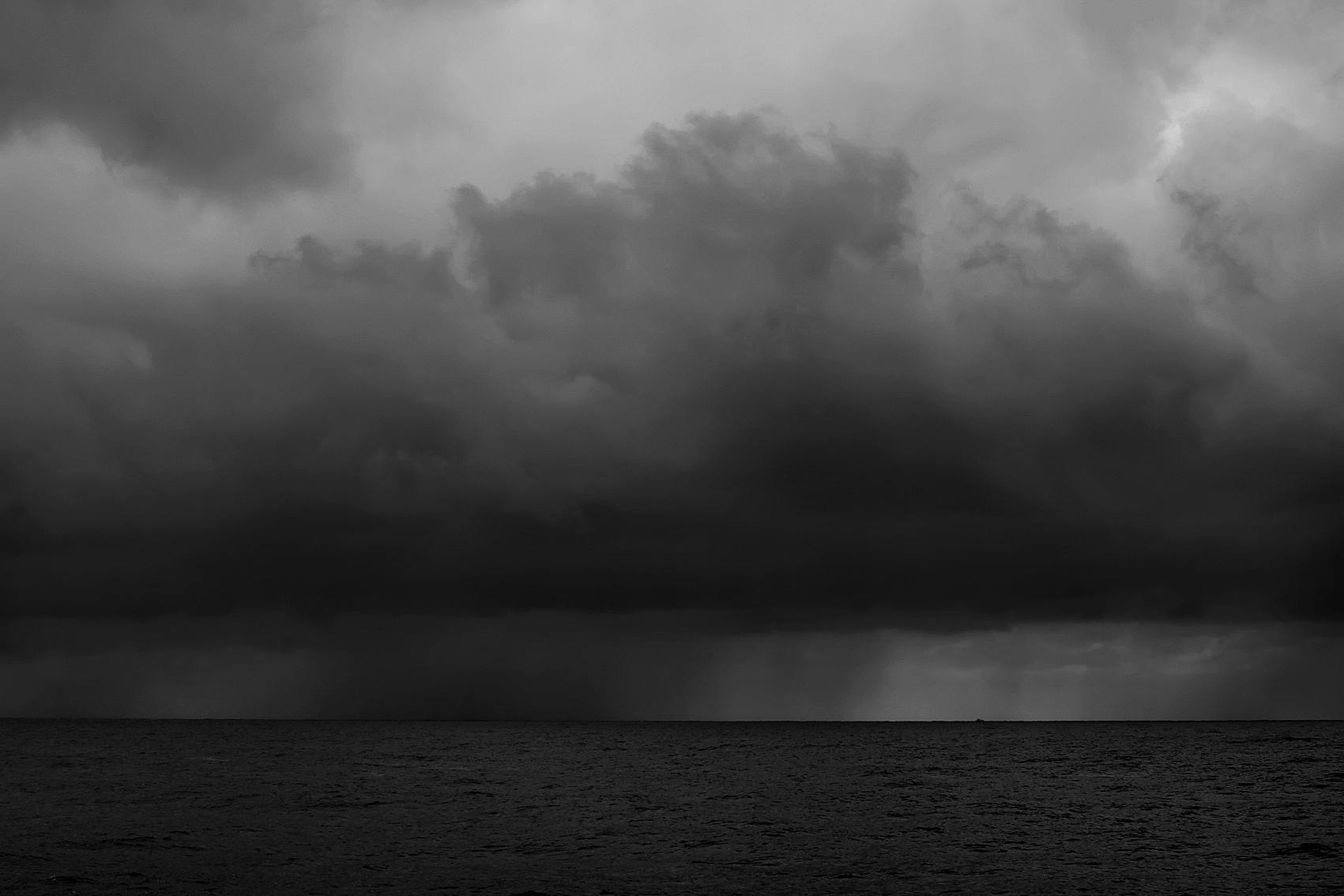
What is Sleep Paralysis? Know all about it.
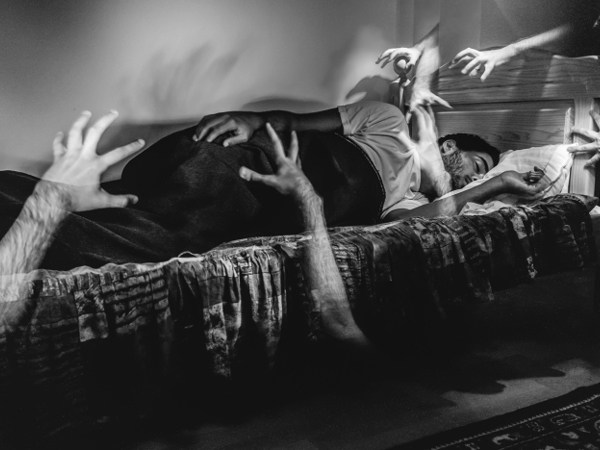
One of the most horrifying experiences is that of being held down either after falling asleep or while waking up. There are nights when you feel like there is an entity in your room, but you can't scream, talk, call for help or move; you can just feel the pressure of someone sitting on your chest or standing right beside your bed and staring at you. You need not be afraid anymore; you probably just have sleep paralysis.
Sleep paralysis is a sleep disorder in which a person who is falling asleep or waking up, temporarily experiences an inability to move, speak or react.
It happens because our bodies are paralysed during rapid eye movement (REM) sleep, which is the stage where dreaming occurs. We are paralysed during the REM stage so that we don't act out our dreams, which could be dangerous. But when your body is not travelling smoothly through the different stages of sleep, things change. REM tends to lengthen into consciousness and your body becomes immobile, even though your brain is alert. This is when you experience sleep paralysis, the transitional state between being fully awake and sleep.
Sleep paralysis has often been mistaken by people as a night time visit by demons or an alien abduction. The inexplicable figures seen during sleep paralysis are caused by dreams and hallucinations that your brain starts to believe are real and happening around you.
Sleep paralysis is a very common phenomenon that affects almost four out of every 10 people from time to time. While it is most commonly experienced by teenagers, it can affect anyone, irrespective of age and gender. There are also cases where sleep paralysis runs in the family. It is very occasionally linked to an underlying psychiatric problem.
There are few other factors that contribute to sleep paralysis:
• Insufficient sleep.
• Changes or alterations in your sleep pattern.
• Psychological conditions such as depression, bipolar disorder and stress.
• Sleep positions, such as sleeping on your back or keeping your hands on your chest and exerting pressure on it.
• Problems linked to sleep, such as narcolepsy or night-time leg cramps.
• Usage of certain medications for conditions like ADHD.
• Substance abuse.
If you experience sleep paralysis frequently, you should visit a doctor for it. Occasional sleep paralysis can be prevented by avoiding triggers. You can start by getting six to eight hours of sleep every night. Try to relax and stop thinking about stressful things before you go to sleep. You should also get checked for prevailing mental disorders. Avoid sleeping on your back with your hands on your chest; try new sleep positions instead.
If you still continue to experience sleep paralysis and want to prevent it, keep these pointers in mind:
• Don't resist: It has been reported that fighting sleep paralysis by forcefully trying to wake up or move only makes the experience worse.
• Surrender yourself and go with the flow: Try to relax and if you feel a pressure on your chest, try to go with it rather than against it.
• Wiggle your toes: Wiggling your fingers and toes can help break the sleep paralysis. Sleep paralysis mainly affects the chest, stomach and throat. By shifting the extremities, such as fingers and toes, you might be able to break free from it.
• Clench your fists: You can try clenching and unclenching your fists to lift the paralysis.
• Control your breathing: If you control your breathing, you can control your fear. Get your breathing back to normal and exhale using your entire lung capacity. You will feel calmer and be able to wake up without a problem.
• Ask for help: Make sure that your sleep partner is aware of your condition and the signs to look for so that they can wake you up from sleep paralysis.
• Cough: Coughing is an autonomic activity that is not controlled by sleep paralysis. You can try to cough on purpose in order to wake up.
• Scrunch up your face: Make a face like you have smelled something foul, snarl, and squint two or three times to wake up.
• Freshen up: Once you have woken up from sleep paralysis, get out of bed immediately, switch on the lights, and wash your face with cold water. Going back to sleep in the same bed soon after waking up increases the risk of sliding back into sleep paralysis.
Hurricanes: The Greatest Storm on Earth.
"Hurricanes forms over tropical waters in areas of high humidity,light winds and warm sea surface temperatures".
Few things in nature can compare to the destructive force of a hurricane. Called the greatest storm on Earth, a hurricane is capable of annihilating coastal areas with sustained winds of 155 miles per hour or higher, intense areas of rainfall, and a storm surge. In fact, during its life cycle a hurricane can expend as much energy as 10,000 nuclear bombs!
The term hurricane is derived from Huracan, a god of evil recognized by the Tainos, an ancient aboriginal tribe from Central America. In other parts of the world, hurricanes are known by different names. In the western Pacific and China Sea area, hurricanes are known as typhoons, from the Cantonese tai-fung, meaning great wind. In Bangladesh, Pakistan, India, and Australia, they are known as cyclones, and finally, in the Philippines, they are known as bagyo.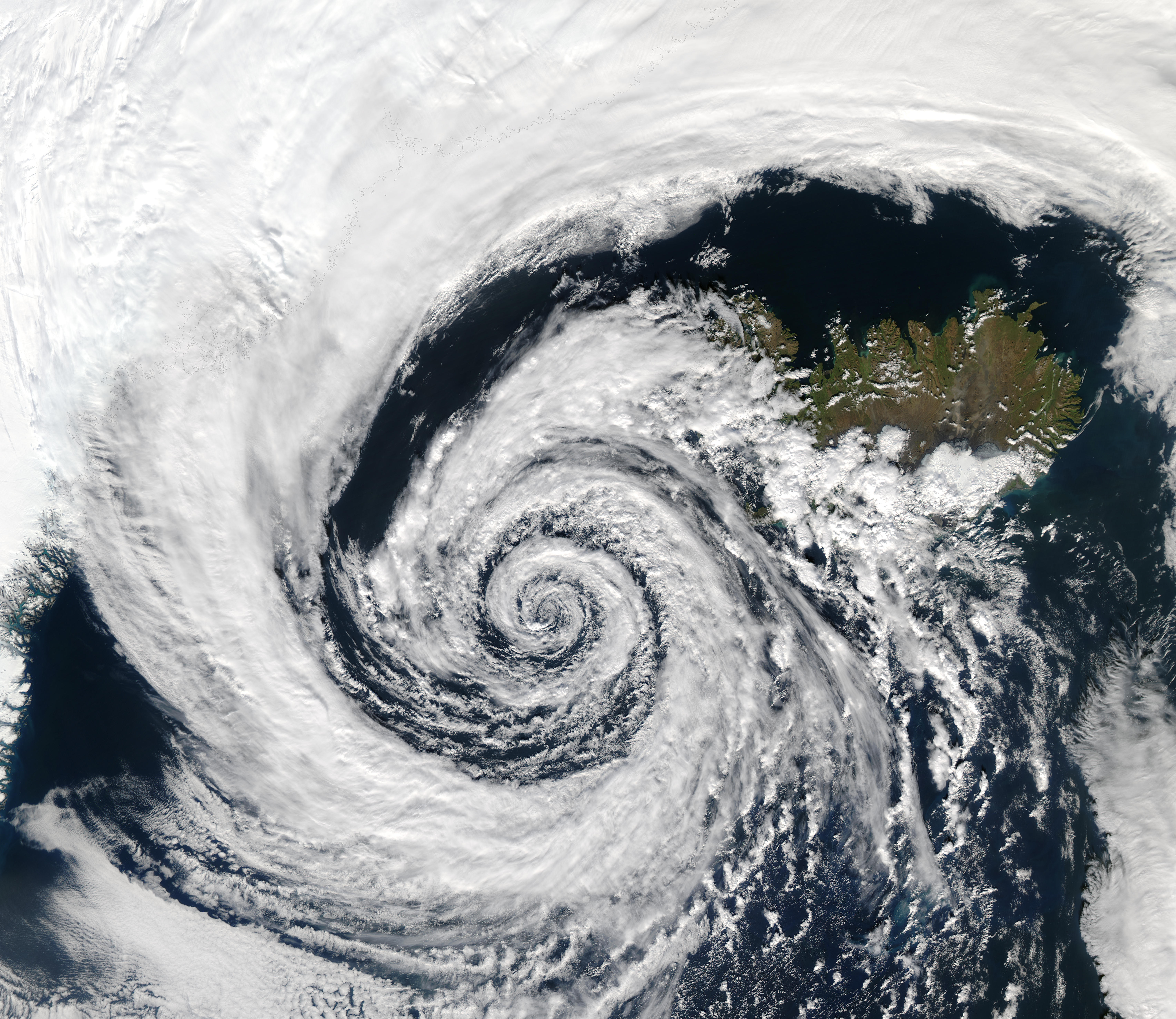
The scientific name for a hurricane, regardless of its location, is tropical cyclone. In general, a cyclone is a large system of spinning air that rotates around a point of low pressure. Only tropical cyclones, which have warm air at their center, become the powerful storms that are called hurricanes.

Hurricane Mitch, seen here in a three-dimensional perspective, was one of the most destructive storms of the 20th century. It soaked Nicaragua and Honduras in October 1998. (Image courtesy Visual Analysis Lab, NASA GSFC.)